
Shoulder
Shoulder Anatomy
-
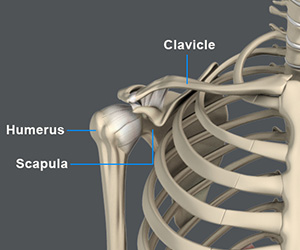
The shoulder is the most flexible joint in the body that enables a wide range of movements including forward flexion, abduction, adduction, external rotation, internal rotation, and 360-degree circumduction. Thus, the shoulder joint is considered the most insecure joint of the body, but the support of ligaments, muscles, and tendons function to provide the required stability.
Procedures
-
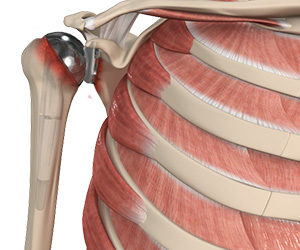
Revision surgery is usually performed under general anesthesia. You are positioned in such a way as to allow all possible variations in the treatment plan. Incisions are made to gain optimal access to the problem and usually follow previous incisions with extensions made as necessary.
-
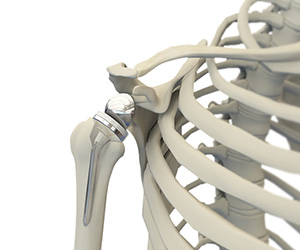
Conventional surgical methods such as total shoulder joint replacement are not very effective in the treatment of rotator cuff arthropathy. Reverse total shoulder replacement is an advanced surgical technique specifically designed for rotator cuff tear arthropathy, a condition where you suffer from both shoulder arthritis and a rotator cuff tear.
-
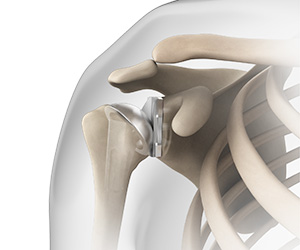
Anatomic Shoulder Replacement, also known as Total Shoulder Arthroplasty (TSA), is a surgical procedure performed to restore the normal anatomy and function of the shoulder joint by replacing the damaged joint surfaces with prosthetic components. It is primarily indicated in individuals with intact rotator cuff muscles and degenerative joint conditions.
-
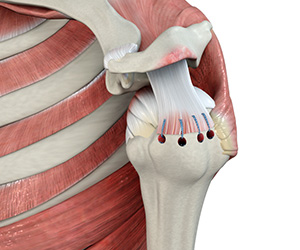
Rotator cuff repair is a surgery to repair an injured or torn rotator cuff. It is usually performed arthroscopically on an outpatient basis. An arthroscope, a small, fiber-optic instrument consisting of a lens, light source, and video camera. The camera projects images of the inside of the joint onto a large monitor, allowing your doctor to look for any damage, assess the type of injury and repair it.
-
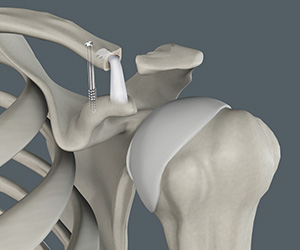
The acromioclavicular (AC) joint is one of the joints present within your shoulder. It is formed between a bony projection at the top of the shoulder blade (acromion) and the outer end of the clavicle (collarbone). The joint is enclosed by a capsule and supported by ligaments.
-
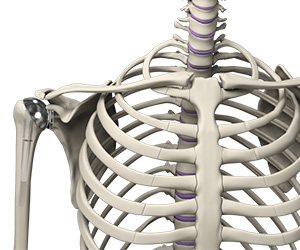
Outpatient shoulder replacement is a surgery that does not require an overnight hospital stay. Shoulder replacement is a surgical procedure in which the damaged or worn out articulating surfaces of the shoulder joint (surfaces of the humeral head and glenoid socket) are removed and replaced with artificial prostheses made of metal or plastic.
-
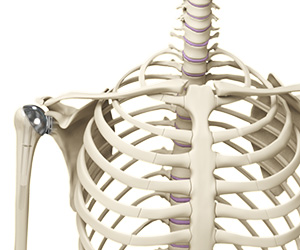
Total shoulder replacement surgery is performed to relieve symptoms of severe shoulder pain and disability due to arthritis. In this surgery, the damaged articulating parts of the shoulder joint are removed and replaced with artificial prostheses. Replacement of both the humeral head and the socket is called a total shoulder replacement.
-
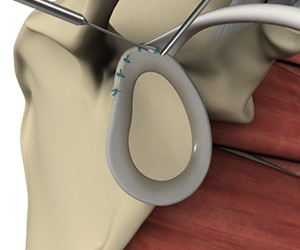
A SLAP repair is an arthroscopic shoulder procedure to treat a specific type of injury to the labrum called a SLAP tear.
-
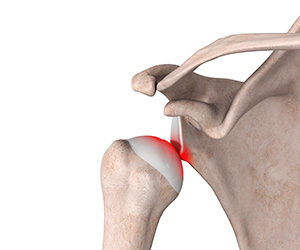
Shoulder stabilization surgery is performed to improve stability and function to the shoulder joint and prevent recurrent dislocations. It can be performed arthroscopically, depending on your particular condition, with much smaller incisions. Arthroscopic stabilization is a surgical procedure to treat chronic instability of the shoulder joint.
-
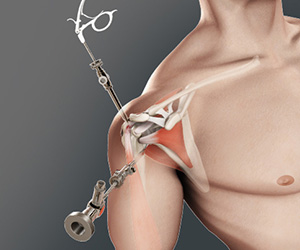
Arthroscopy is a minimally invasive diagnostic and surgical procedure performed for joint problems. Shoulder arthroscopy is performed using a pencil-sized instrument called an arthroscope. The arthroscope consists of a light system and camera that projects images of the surgical site onto a computer screen for your surgeon to clearly view.
-
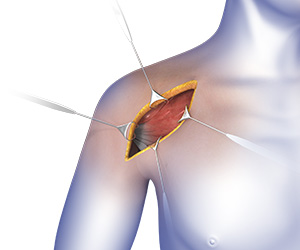
Shoulder surgery is a surgical procedure for the treatment of a shoulder injury or shoulder condition. The procedure involves repairing a diseased, damaged, or degenerated shoulder joint in order to eliminate pain and restore normal shoulder function.
-
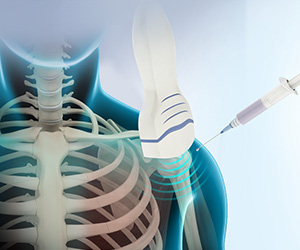
An ultrasound is a common imaging technique that employs high-frequency sound waves to create images of organs and other internal structures of the body. These images provide valuable information about the underlying pathology of tissues and assists with diagnosis and planning the treatment of a condition.
-
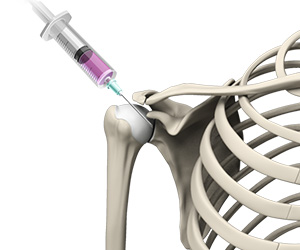
The shoulder is prone to different kinds of injuries and inflammatory conditions. An intraarticular shoulder injection is a minimally invasive procedure to treat pain and improve shoulder movement. It may be performed with the help of ultrasound or fluoroscopic imaging which allows your physician to precisely target the intraarticular space.
-
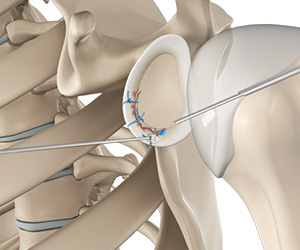
Bankart surgery can be performed by a minimally invasive surgical technique called arthroscopy. During an arthroscopic Bankart procedure, your surgeon makes a few small incisions over your shoulder joint.
-
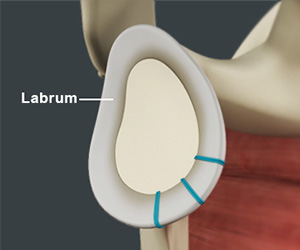
The shoulder joint is a ball and socket joint. A ball at the top of the upper arm bone (the humerus) fits neatly into a socket, called the glenoid, which is part of the shoulder blade (scapula). The labrum is a ring of fibrous cartilage surrounding the glenoid, which helps in stabilizing the shoulder joint. The biceps tendon is attached inside the shoulder joint at the superior labrum of the joint.
-
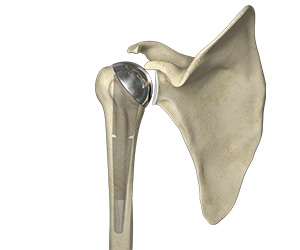
Shoulder replacement, also referred to as shoulder arthroplasty, is a procedure in which the damaged articulating parts of the shoulder joint are removed and replaced with artificial prostheses to restore shoulder function.
-
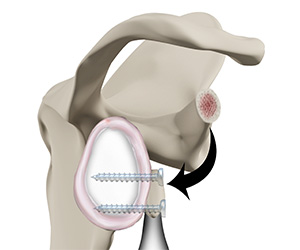
The shoulder joint provides a wide range of movement to the upper extremity, but overuse or trauma can cause instability to the joint. The Latarjet procedure is a surgical procedure performed to treat shoulder instability by relocating a piece of bone with an attached tendon to the shoulder joint.
-
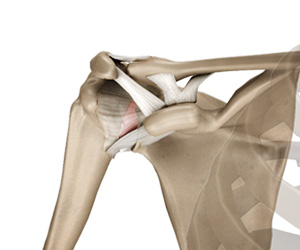
Shoulder cartilage restoration refers to a group of procedures aimed at repairing or regenerating damaged cartilage in the shoulder joint, especially the glenohumeral (ball-and-socket) joint. Cartilage damage in the shoulder can result from injury, osteoarthritis, or degenerative wear, leading to pain, stiffness, and loss of function.
-
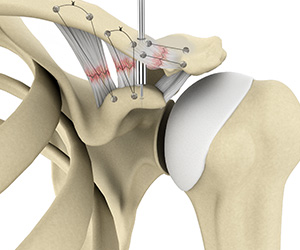
AC joint repair is a surgical procedure performed to repair damaged or torn ligaments and tendons of the acromioclavicular (AC) joint. Depending on the severity of the injury, the surgery can be done through tiny keyhole incisions arthroscopically, or as open surgery through a relatively larger skin incision.
-
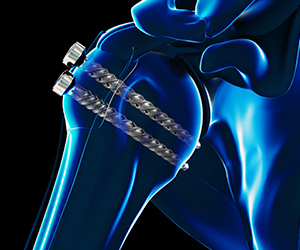
A proximal humerus fracture is a break in the upper arm bone near the shoulder joint. This type of fracture can severely affect the shoulder joint and immediate medical attention is required in order to preserve shoulder function. A fracture to the humerus bone is a possible consequence of a traumatic event, such as a fall or forceful collision.
-
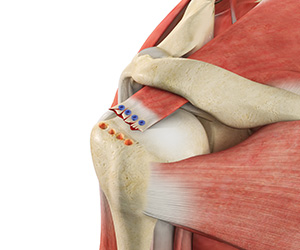
Revision rotator cuff surgery is a procedure done to repair a re-tear in the rotator cuff after a failed initial rotator cuff surgery. The revision surgery is generally more complex, as it attempts to repair a rotator cuff that has been torn multiple times.
-
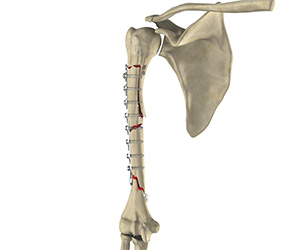
Complex fracture repair of the shoulder is a surgical procedure that involves the use of surgical plates and screws to repair a severe fracture of the bones that form the shoulder joint. Complex shoulder fractures are usually accompanied by ligament and tendon injuries that may also need to be repaired.
-
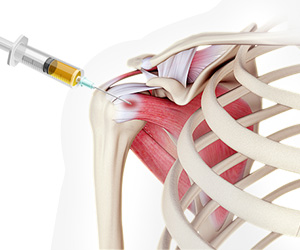
Platelet-rich plasma (PRP) therapy is a regenerative treatment option that involves injecting a concentrated solution of platelets obtained from the patient's own blood into the shoulder joint. This therapy can be used to promote healing, reduce inflammation, and relieve pain associated with shoulder injuries and conditions.
-
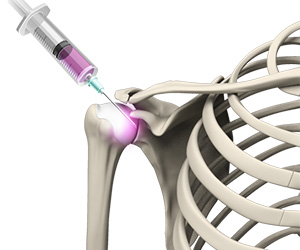
Viscosupplementation is a minimally invasive procedure that involves the injection of a hyaluronic acid preparation into the shoulder to treat arthritis. Hyaluronic acid is a naturally occurring substance which is present in the joint fluid that acts as a shock absorber and enhances lubrication.
-
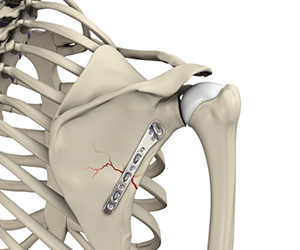
A break in the bone that makes up the shoulder joint is called a shoulder fracture. The clavicle (collarbone) and end of the humerus (upper arm bone) closest to the shoulder are the bones that usually are fractured. The scapula, or shoulder blade, is not easily fractured because of its protective cover of surrounding muscles and chest tissue.
-
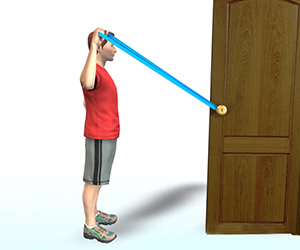
The shoulder is a complex joint where several bones, muscles, and ligaments connect the upper extremity to the chest. The rotator cuff is a group of muscles and tendons that attach to the bones of the shoulder joint providing movement and stability to the shoulder. There are many exercises that can be performed to focus on the rotator cuff muscles. These exercises help to improve movement and stability of the joint during activity thereby minimizing injury or dislocations.
-
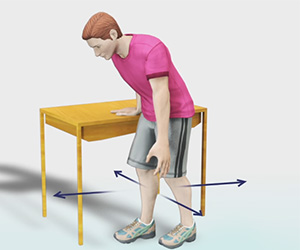
The shoulder is considered one of the most mobile joints in the body, but a fall, accident, trauma or disease can cause pain, weakness, numbness, instability and sometimes disability. The first line of treatment for shoulder problems include rest, immobilization, ice application, NSAIDs and steroid injections. When these conservative treatments do not relieve symptoms and in cases of severe injuries, your doctor will suggest surgical treatment.
-

Shoulder therapy refers to exercises designed to rehabilitate and improve the function, strength, and mobility of the shoulder joint. It is often prescribed after an injury, surgery, or when dealing with chronic conditions like arthritis, tendinitis, or rotator cuff tears.
Conditions
-
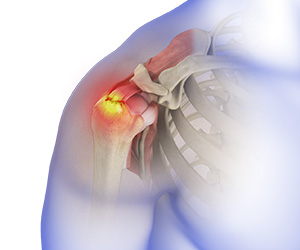
The rotator cuff is a group of tendons in the shoulder joint that provides support and enables a wide range of motion. A major injury to these tendons may result in rotator cuff tears. It is one of the most common causes of shoulder pain in middle-aged and older individuals.
-
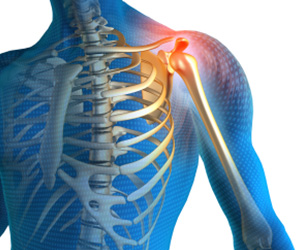
Pain in the shoulder may suggest an injury, which is more common in athletes participating in sports such as swimming, tennis, pitching, and weightlifting. The injuries are caused due to the over usage or repetitive motion of the arms.
-
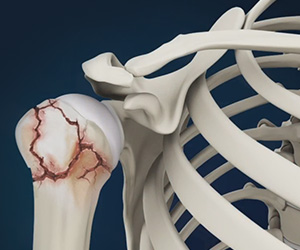
The humerus is the bone that forms the upper arm. It articulates with the glenoid cavity of the scapula (shoulder blade) to form the shoulder joint and with the lower arm bones – the ulna and radius – to form the elbow joint. The proximal humerus is the upper end of the arm bone that forms the shoulder joint.
-
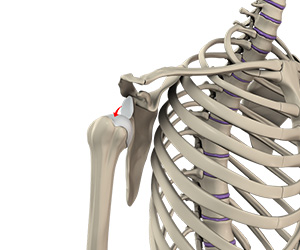
Shoulder instability is a chronic condition that causes frequent dislocation of the shoulder joint. A dislocation occurs when the end of the humerus (ball portion) partially or completely dislocates from the glenoid (socket portion) of the shoulder.
-
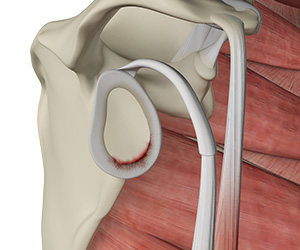
Traumatic injury to the shoulder or overuse of the shoulder (throwing, weightlifting) may cause the labrum to tear. In addition, aging may weaken the labrum leading to injury.
-
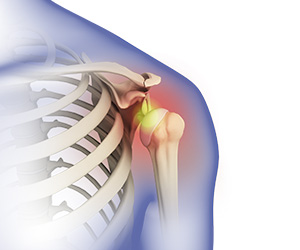
Sports that involve overhead movements and repeated use of the shoulder at your workplace may lead to sliding of the upper arm bone from the glenoid. The dislocation might be a partial dislocation (subluxation) or a complete dislocation causing pain and shoulder joint instability.
-
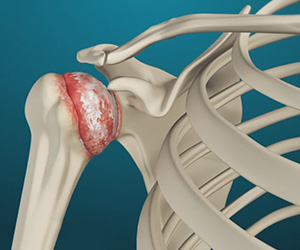
The term arthritis literally means inflammation of a joint but is generally used to describe any condition in which there is damage to the cartilage. Damage of the cartilage in the shoulder joint causes shoulder arthritis. Inflammation is the body's natural response to injury. The warning signs that inflammation presents are redness, swelling, heat, and pain.
-
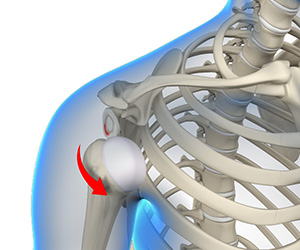
Anterior shoulder instability, also known as anterior glenohumeral instability, is a condition in which damage to the soft tissues or bone causes the head of the humerus (upper arm bone) to dislocate or sublux from the glenoid fossa, compromising the function of the shoulder.
-
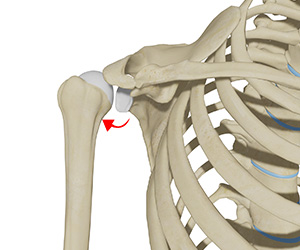
Posterior shoulder instability, also known as posterior glenohumeral instability, is a condition in which the head of the humerus (upper arm bone) dislocates or subluxes posteriorly from the glenoid (socket portion of the shoulder) as a result of significant trauma. A partial dislocation is referred to as a subluxation whereas a complete separation is referred to as a dislocation.
-
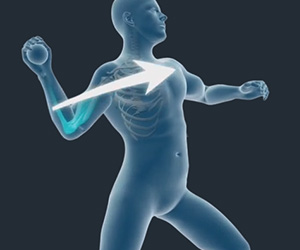
An overhead athlete is at increased risk of injury due to the mechanism associated with rapid shoulder elevation, external rotation, and abduction. An overhead throwing motion is an intricate and skillful movement that presents a special challenge of needing the glenohumeral joint to surpass its physiologic limits during overhead sports activities.
-
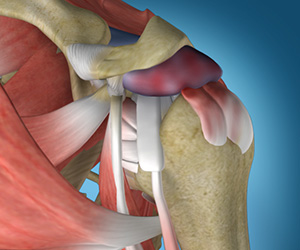
The shoulder is a ball-and-socket joint. The ball-shaped end of the upper arm bone (humerus) fits neatly into a socket, called the glenoid, which is part of the shoulder blade or scapula.
-
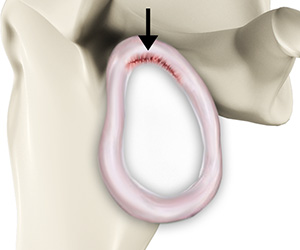
The term SLAP (superior –labrum anterior-posterior) lesion or SLAP tear refers to an injury of the superior labrum of the shoulder.
-
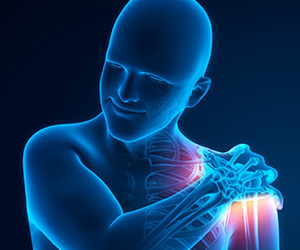
Post-traumatic stiffness of the shoulder is the inability of the shoulder joint to move freely due to the damage sustained to the normal gliding surfaces of the shoulder as a result of trauma (injury) or surgery. The trauma affects the muscles and capsule surrounding the shoulder joint resulting in reduced or loss of motion and functional impairment.
-
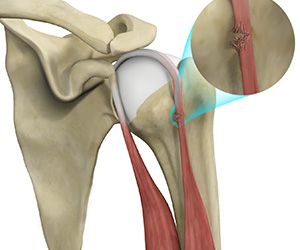
The biceps muscle is present on the front of your upper arm and functions to help you bend and rotate your arm. The biceps tendon is a tough band of connective fibrous tissue that attaches your biceps muscle to the bones in your shoulder on one side and the elbow on the other side.
-
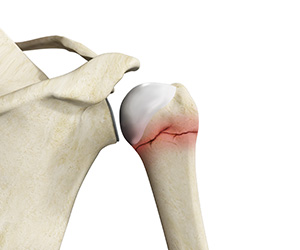
A break in a bone that makes up the shoulder joint is called a shoulder fracture. The clavicle and end of the humerus closest to the shoulder are the bones that usually get fractured. The scapula, on the other hand, is not easily fractured because of its protective cover by the surrounding muscles and chest tissue.
-
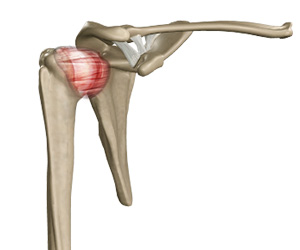
Frozen shoulder, also called adhesive capsulitis, is a condition in which you experience pain and stiffness in your shoulder. The symptoms appear slowly, worsen gradually and usually take one to three years to resolve on their own.
-
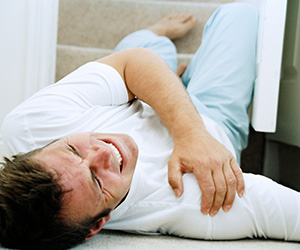
Shoulder injuries most commonly occur in athletes participating in sports such as swimming, tennis, pitching, and weightlifting. The injuries are caused due to the over usage or repetitive motion of the arms.
-
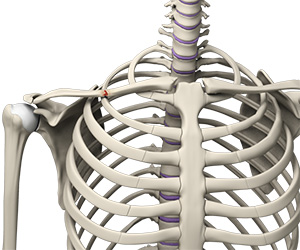
The break or fracture of the clavicle (collarbone) is a common sports injury associated with contact sports such as football and martial arts, as well as impact sports such as motor racing. A direct blow over the shoulder that may occur during a fall on an outstretched arm or a motor vehicle accident may cause the clavicle bone to break.
-
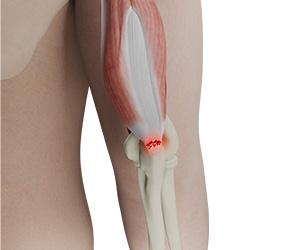
A distal triceps tear is a rare condition that occurs when the tendon attaching the triceps muscle in the back of the arm is torn away from its attachment to the ulna bone in the elbow. This injury is more common in middle-aged men than in women.
-
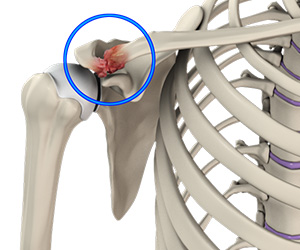
Osteoarthritis also called degenerative joint disease, is the most common form of arthritis. It occurs most often in older people. AC joint osteoarthritis affects the tissue covering the ends of bones (cartilage) in the AC joint of the shoulder. The cartilage becomes damaged and worn out causing pain, swelling, stiffness and restricted movement in the AC joint.
-
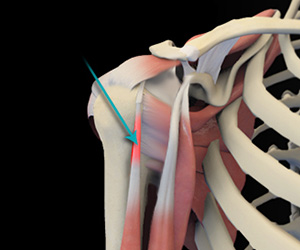
Shoulder tendonitis is a condition characterized by inflammation of the tendons which connect the muscles to the shoulder bones. Tendonitis of the rotator cuff tendons is known as rotator cuff tendonitis. If the biceps tendon is affected, the condition is known as bicipital tendonitis.
-
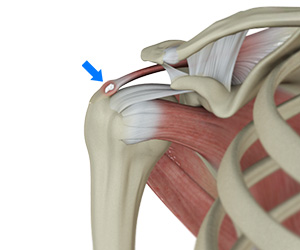
Rotator cuff calcification is the abnormal accumulation of calcium deposits in rotator cuff muscles and tendons. The rotator cuff is a group of 4 muscles and tendons in the shoulder joint that join the head of the humerus to the shoulder. It forms a sleeve around the humeral head and glenoid cavity, providing additional stability to the shoulder joint while enabling a wide range of mobility.
-
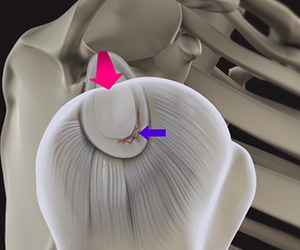
Traumatic injury to the shoulder or overuse of the shoulder (throwing, weightlifting) may cause the labrum to tear. In addition, aging may weaken the labrum leading to injury.
-
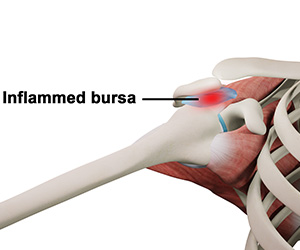
The rotator cuff is a set of muscles and tendons which hold the various bones of the shoulder joint together, providing strength and support. Inflammation of the bursa, a fluid-filled sac between the rotator cuff tendons and a bony process at the top of the shoulder called the acromion, is known as shoulder bursitis or rotator cuff bursitis.
-
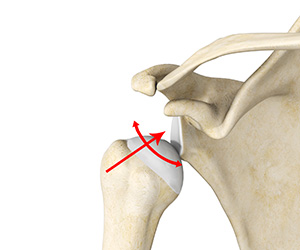
Instability may be described by the direction in which the humerus is subluxated or dislocated from the glenoid. When it occurs in several directions it is referred to as multidirectional instability.
-
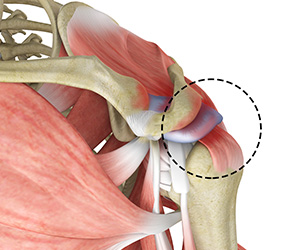
The rotator cuff consists of a group of tendons and muscles that surround and stabilize the shoulder joint. These tendons allow a wide range of movement of the shoulder joint across multiple planes. Irritation or injury to these tendons can result in rotator cuff pain.
-
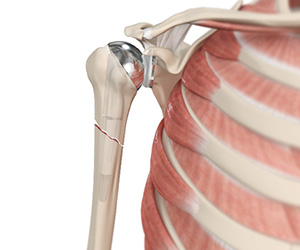
A periprosthetic shoulder fracture is a fracture that occurs in the bone adjacent to a shoulder prosthesis.