
Knee
Knee Anatomy
-
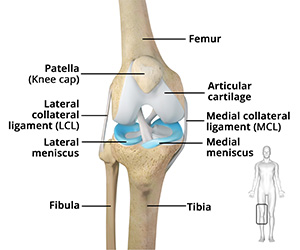
The knee is a complex joint made up of different structures - bones, tendons, ligaments, and muscles. They all work together to maintain the knee’s normal function and provide stability to the knee during movement.
Procedures
-
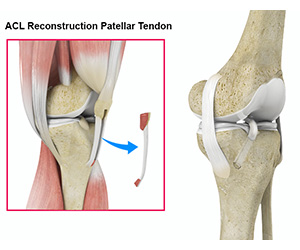
Anterior cruciate ligament (ACL) reconstruction is a surgical procedure to replace a torn or damaged ACL ligament in your knee with a new ACL tissue graft obtained most commonly from your own body (autograft) or in rare cases from a deceased donor (allograft).
-
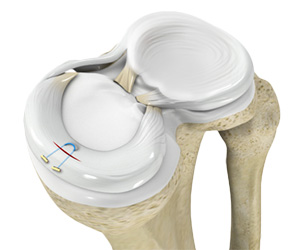
Meniscus repair is an outpatient surgical procedure to repair torn knee cartilage. A variety of minimally invasive procedures are used to repair a torn meniscus, and postoperative protection is required to allow for recovery.
-
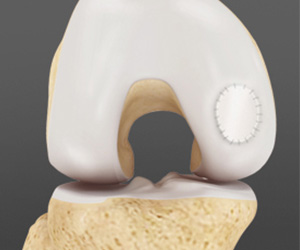
Knee cartilage restoration is a surgical technique to repair damaged articular cartilage in the knee joint by stimulating new growth of cartilage or by transplanting cartilage into areas with defects in order to relieve pain and restore normal function to the knee.
-
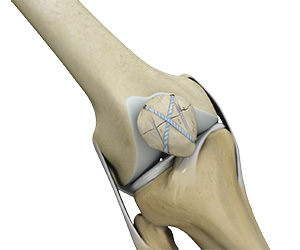
Knee fracture surgery is a surgical procedure performed to correct the cracked or broken bones in or around the knee to restore normal anatomical function, stability, and motion.
-
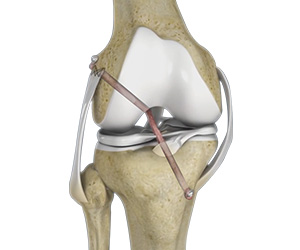
Knee ligament reconstruction is a surgical procedure to repair or replace damaged ligaments of the knee joint. The surgery can be performed using minimally invasive techniques.
-
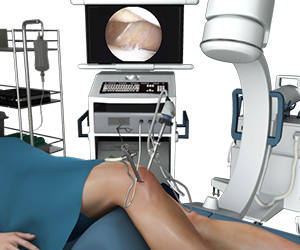
Knee arthroscopy is a common surgical procedure performed using an arthroscope, a viewing instrument, to diagnose or treat a knee problem. It is a relatively safe procedure and you will usually be discharged from the hospital on the same day of surgery.
-
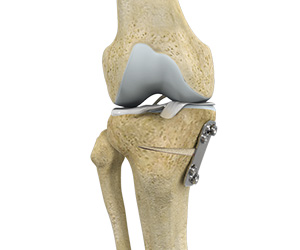
Knee osteotomy is a surgical procedure in which the upper part of shinbone (tibia) or lower part of thighbone (femur) is cut and realigned. It is usually performed in arthritic conditions affecting only one side of your knee. The aim is to take the pressure off the damaged area and shift it to the other side of your knee with healthy cartilage.
-
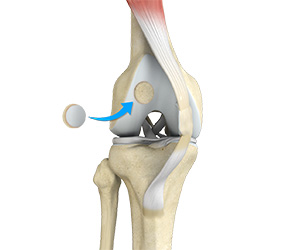
Knee preservation surgery refers to a group of surgical procedures designed to preserve the natural knee joint and delay or prevent the need for total knee replacement, particularly in younger, active patients with early arthritis, deformity, or focal cartilage damage.
-
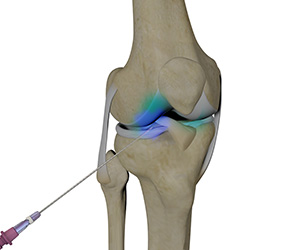
Knee pain and stiffness can be disabling and difficult to treat. It can limit an individual’s lifestyle and negatively impact body image and emotional well-being.
-
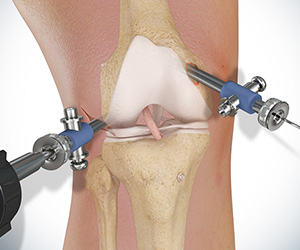
Knee surgery is a surgical procedure for the treatment of a knee injury or condition. The procedure involves repairing diseased or damaged structures of the knee joint in order to eliminate pain and restore normal function.
-
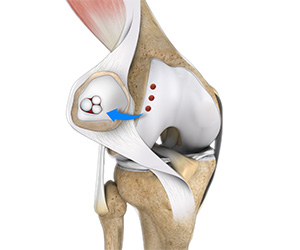
The articular or hyaline cartilage is the tissue lining the surface of the two bones in a joint. Cartilage helps the bones move smoothly against each other and can withstand the weight of your body during activities such as running and jumping.
-
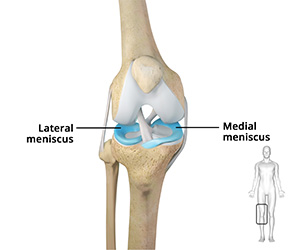
Meniscectomy is a surgical procedure indicated in individuals with torn meniscus where the conservative treatments are a failure to relieve the pain and other symptoms. Meniscectomy is recommended based on the ability of meniscus to heal, patient’s age, health status, and activity level.
-
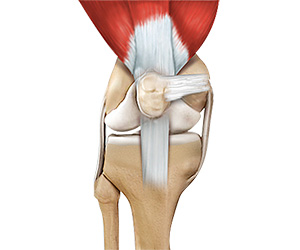
Quadriceps tendon is a thick tissue located at the top of the kneecap. The quadriceps tendon works together with the quadriceps muscles to allow us to straighten our leg. The quadriceps muscles are the muscles located in front of the thigh.
-
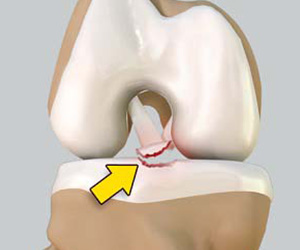
The tibia or shin bone is a major bone of the leg which connects the knee to the ankle. A fracture or break in the upper part of the tibia is known as a proximal tibial fracture and commonly occurs just below the knee joint.
-
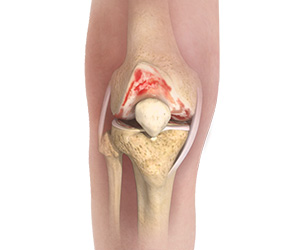
Knee osteoarthritis (OA) treatment refers to the various approaches involved in the treatment of the degenerative joint condition called osteoarthritis. The knee joints are lined by soft articular cartilage that cushion the joints and aid in smooth movement of the joint bones.
-
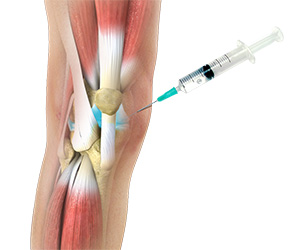
Viscosupplementation refers to the injection of a hyaluronan preparation into the joint. Hyaluronan is a natural substance present in the joint fluid that assists in lubrication. It allows the smooth movement of the cartilage-covered articulating surfaces of the joint.
-
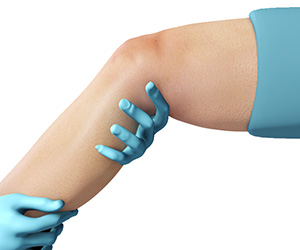
Physical therapy is an exercise program that helps you to improve movement, relieve pain, encourage blood flow for faster healing, and restore your physical function and fitness level. It can be prescribed as an individual treatment program or combined with other treatments.
-
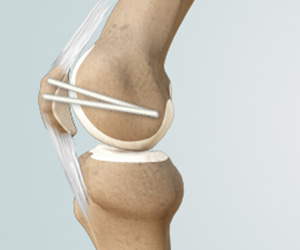
Medial patellofemoral ligament (MPFL) reconstruction is a surgical procedure used to treat patellar instability, particularly in cases where the patella (kneecap) dislocates (luxates) or partially dislocates (subluxates).
-
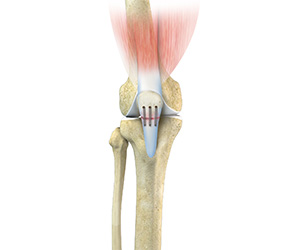
Patellar tendon repair is the surgery performed to reattach the torn tendon to the kneecap and to restore normal function in the affected leg.
-
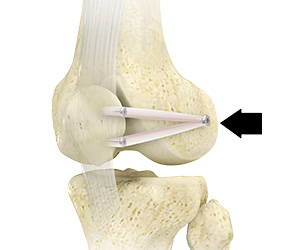
Medial patellofemoral ligament reconstruction is a surgical procedure indicated for severe patellar instability.
-
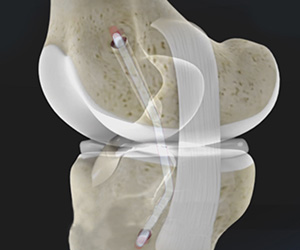
PCL reconstruction surgery is a procedure to correct torn posterior cruciate ligament (PCL) in the knee using a tissue graft taken from another part of the body, or from a donor.
-
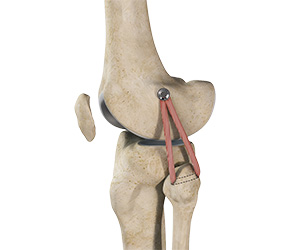
LCL reconstruction is a surgical procedure to repair torn or damaged lateral collateral ligament in the knee using a tissue graft taken from another part of the body, or from a donor.
-
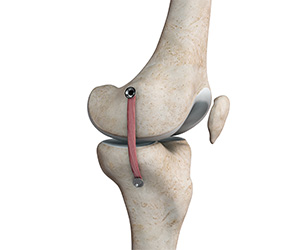
MCL reconstruction is a minimally invasive surgical procedure in which a tendon graft is utilized to reconstruct the injured MCL.
-
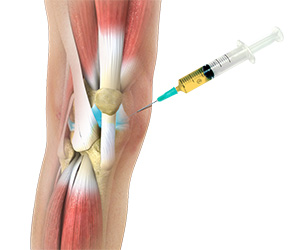
Platelet-rich plasma (PRP) injections for the knee are a minimally invasive treatment designed to reduce pain, improve joint function, and potentially promote healing in knee injuries or degenerative conditions.
-
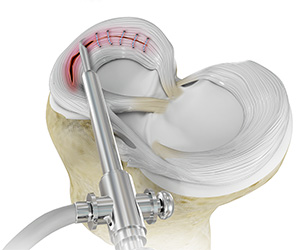
Meniscal surgery is a surgical procedure employed for the treatment of torn or damaged meniscal tissues in the knee. It is mostly performed as a minimally invasive keyhole procedure.
-
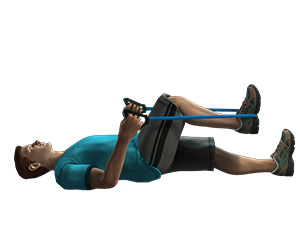
Exercising may perhaps be the last thing on your mind to do when your joints are stiff and painful. Nevertheless, exercise is a significant part of knee osteoarthritis treatment to ease pain and stay active. Knee strengthening exercises play a crucial role to restore normal knee function and improve flexibility and strength by specifically targeting knee muscles for better management of knee osteoarthritis.
-
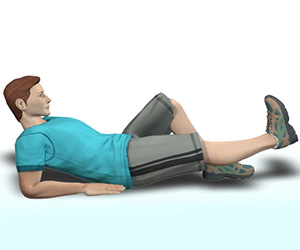
Exercising may perhaps be the last thing on your mind to do when your knees are stiff and painful. Nevertheless, exercise is a significant part of treatment of meniscal tears to help ease pain and keep you active. Knee strengthening exercises play a crucial role to restore normal knee function and improve flexibility and strength by specifically targeting joints and muscles of the knee for better management of meniscal tears pain.
Conditions
-
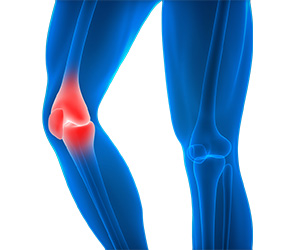
Trauma to the knee can injure one or more tissues of the knee joint, such as ligaments, tendons, cartilage, bones, and muscles. These injuries can result from a fall, a forceful twisting motion, or a high-impact event like a motor vehicle accident.
-
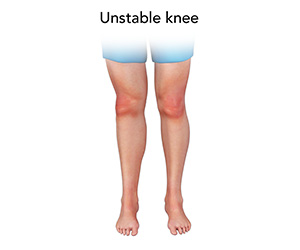
An unstable knee can be caused by the sudden twisting of the knee, tears of the meniscus, ligament or capsule, osteoarthritis of the knee (wear and tear of the cushioning cartilage tissue between the bones) and sports injuries.
-
-
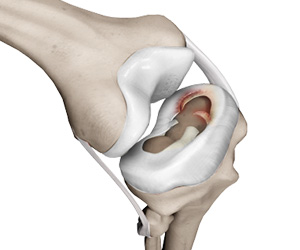
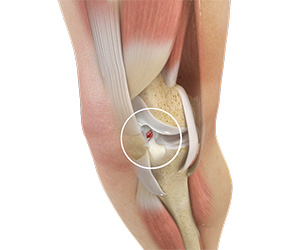
Meniscal tears are one of the most common injuries to the knee joint. It can occur at any age but are more common in athletes involved in contact sports. The meniscus has no direct blood supply and for that reason, when there is an injury to the meniscus, healing is difficult.
-
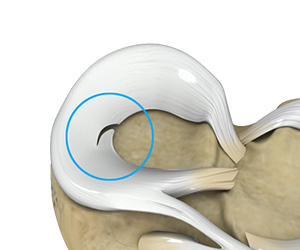
A meniscal tear is a common knee injury in athletes, especially those involved in contact sports. A sudden bend or twist in your knee causes the meniscus to tear. Elderly people are more prone to degenerative meniscal tears as the cartilage wears out and weakens with age.
-
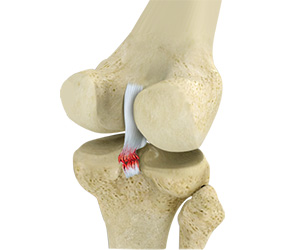
An ACL injury is a sports-related injury that occurs when the knee is forcefully twisted or hyperextended. An ACL tear usually occurs with an abrupt directional change with the foot fixed on the ground or when the deceleration force crosses the knee.
-
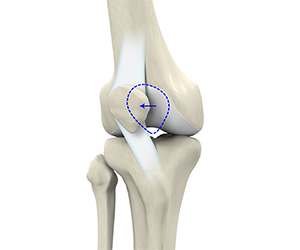
Any damage to the supporting ligaments may cause the patella to slip out of the groove either partially (subluxation) or completely (dislocation). This misalignment can damage the underlying soft structures such as muscles and ligaments that hold the kneecap in place.
-
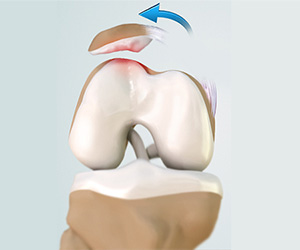
Patellofemoral instability means that the patella (kneecap) moves out of its normal pattern of alignment. This malalignment can damage the underlying soft structures such as muscles and ligaments that hold the knee in place.
-
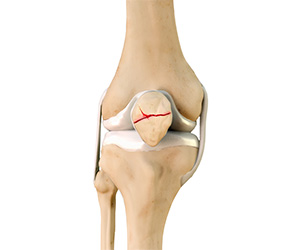
The kneecap or patella forms a part of the knee joint. It is present at the front of the knee, protecting the knee and providing attachment to various muscle groups of the thigh and leg. The undersurface of the kneecap and the lower end of the femur are coated with articular cartilage, which helps in smooth movement of the knee joint.
-
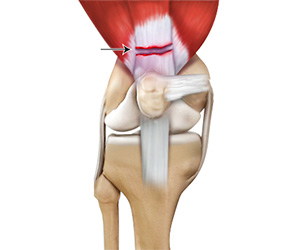
The quadriceps can rupture after a fall, direct blow to the leg and when you land on your leg awkwardly from a jump. Quadriceps tendon rupture most commonly occurs in middle-aged people who participate in sports that involve jumping and running.
-
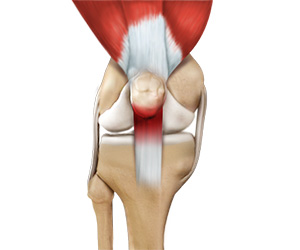
Jumper’s knee, also known as patellar tendinitis, is inflammation of the patellar tendon that connects your kneecap (patella) to your shinbone. This tendon helps in the extension of the lower leg.
-
-
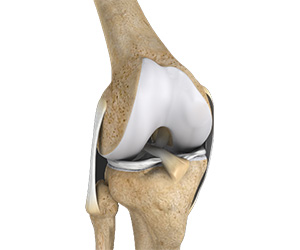
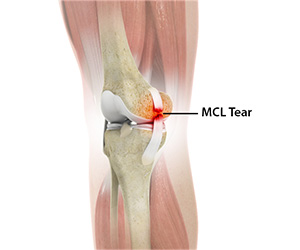
The knee is a complex joint of the body that is vital for movement. The four major ligaments of the knee are anterior cruciate ligament (ACL), posterior cruciate ligament (PCL), medial collateral ligament (MCL) and lateral collateral ligament (LCL).
-
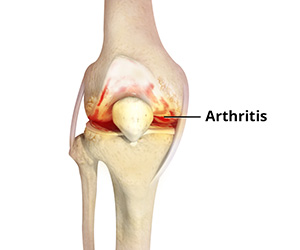
The joint surface is covered by a smooth articular surface that allows pain-free movement in the joint. Arthritis is a general term covering numerous conditions where the joint surface or cartilage wears out. This surface can wear out for several reasons; often the definite cause is not known.
-
-
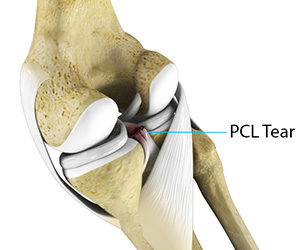
Posterior cruciate ligament (PCL), one of the four major ligaments of the knee, is situated at the back of the knee. It connects the thighbone (femur) to the shinbone (tibia). The PCL limits the backward motion of the shinbone.
-
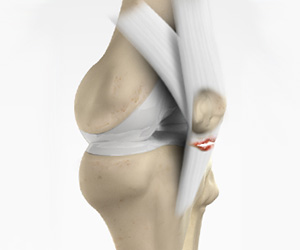
The patellar tendon works together with the quadriceps muscle and the quadriceps tendon to allow your knee to straighten out. Patella tendon rupture is the rupture of the tendon that connects the patella (kneecap) to the top portion of the tibia (shinbone).
-
Knee osteoarthritis (OA) is a degenerative joint disease that occurs when the cartilage in the knee joint gradually wears away. Cartilage is a smooth, slippery tissue that cushions the ends of bones and helps the joint move smoothly.
-
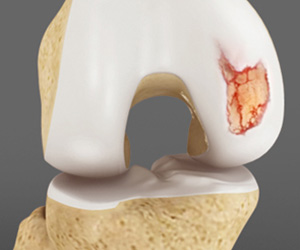
Articular or hyaline cartilage is the tissue lining the surface of the two bones in the knee joint. Cartilage helps the bones move smoothly against each other and can withstand the weight of the body during activities such as running and jumping.
-
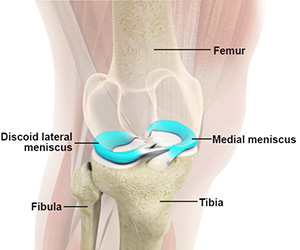
The meniscus is a C-shaped, tough rubbery piece of cartilage situated between the knee bones (femur and tibia), that provides structural integrity for the knee. It acts as a shock absorber and prevents friction between the bones within the knee.
-
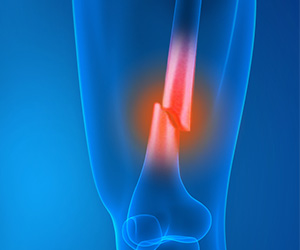
A fracture is a condition in which there is a break in the continuity of the bone. In younger individuals, these fractures are caused by high energy injuries, as from a motor vehicle accident. In older people, the most common cause is a weak and fragile bone.
-
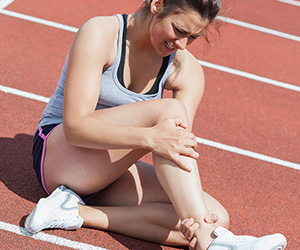
Trauma is any injury caused during physical activity, motor vehicle accidents, electric shock, or other activities. Sports trauma or sports injuries refer to injuries caused while playing indoor or outdoor sports and exercising.
-
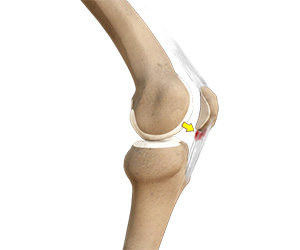
Patellar tendonitis, also known as "jumper's knee", is an inflammation of the patellar tendon that connects your kneecap (patella) to your shinbone. This tendon helps in extension of the lower leg.
-
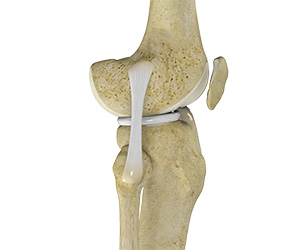
The knee is the largest joint of the body and is stabilized by a set of ligaments. In the knee, there are four primary ligaments, the anterior cruciate ligament (ACL), posterior cruciate ligament (PCL), medial collateral ligament (MCL) and lateral collateral ligament (LCL).
-
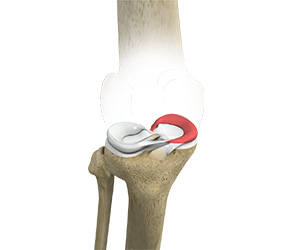
Medial meniscus syndrome refers to pain and dysfunction caused by injury or degeneration of the medial meniscus, the C-shaped cartilage on the inner side of the knee.
-
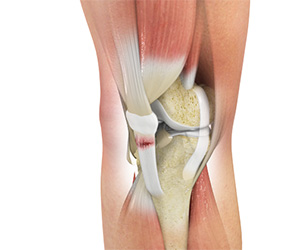
A patellar tendon tear is a significant injury affecting the knee joint and is commonly seen in athletes and individuals engaged in activities that involve jumping, running, or sudden directional changes. The patellar tendon connects the patella (kneecap) to the tibia (shinbone) and plays a crucial role in the extension of the knee.
-
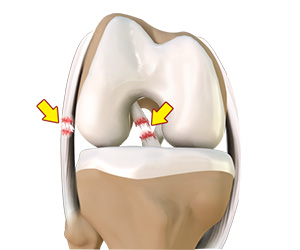
Injury to more than one knee ligament is called a complex or multiligament knee injury and may occur during sports or other physical activities.
-
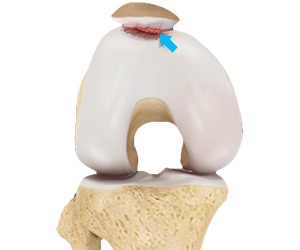
Patellofemoral arthritis is an inflammatory condition characterized by loss of the smooth cartilage between the kneecap (patella) and the underlying femoral (thigh) bone in the knee joint. When the articular cartilage wears out, the underlying bones rub against each other, causing pain, swelling, stiffness, and restricted movement.